A Family Business Built Between Korea and the West
Our story
Cameron-Martin & Sons was founded on a simple conviction: if the position you want does not exist, create it yourself.
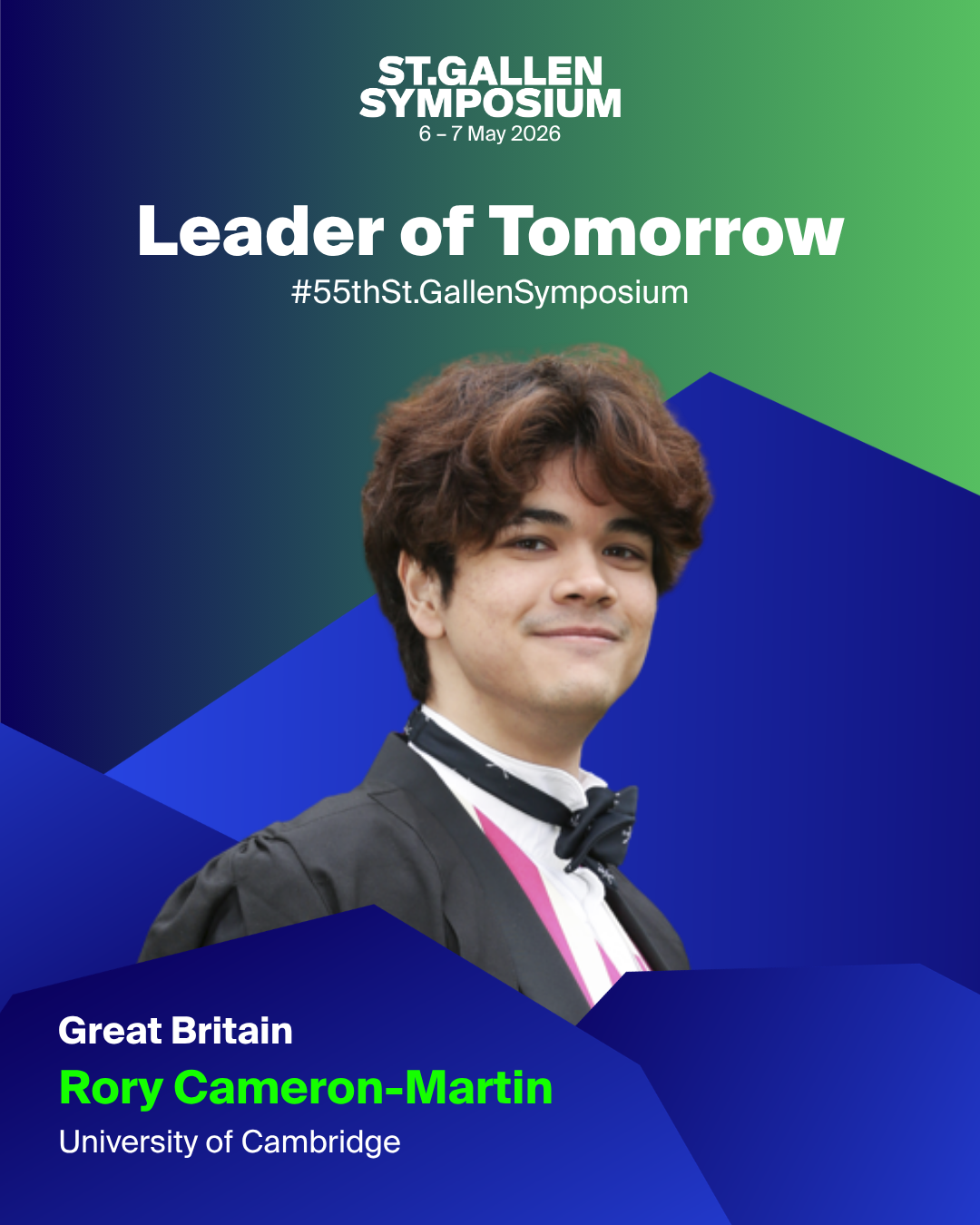
The idea took shape as I completed my MPhil at Cambridge and began thinking seriously about what sort of career, and what sort of institution, I actually wanted to build. Rather than spend decades climbing someone else’s corporate ladder, my mother and I decided to establish something of our own, with my father providing the guiding hand and mentorship that helped shape the company from the outset.
In deciding what Cameron-Martin & Sons should become, I spent a great deal of time looking at the great British merchant houses and family holding companies that came before us. At their best, these were remarkable institutions: fiercely independent, built around family stewardship, personal relationships, reputation and the confidence to think in generations rather than quarters. They understood that a family name carried an obligation, and that ownership meant responsibility.
Over time, however, many of the companies I once admired came to feel increasingly distant from those principles. Too much of the modern corporate world has become dominated by short-termism, bureaucracy, fashionable management language and environments in which loyalty can seem secondary to internal politics. I became increasingly disillusioned with the idea that success should mean spending the best years of one’s life creating value for somebody else while ownership, independence and long-term security remain out of reach; so we chose a different path.
Cameron-Martin & Sons is our family-owned holding company, created to build, acquire and grow businesses that can strengthen our family across generations. We did not begin with vast institutional capital, and that is precisely part of the philosophy. We believe younger generations need not wait for permission, the perfect job title, 25 years of experience before your 21st birthday, an eternity mastering the fifteen steps of AI-led recruitment, or decades of corporate politics before beginning to create something of their own.
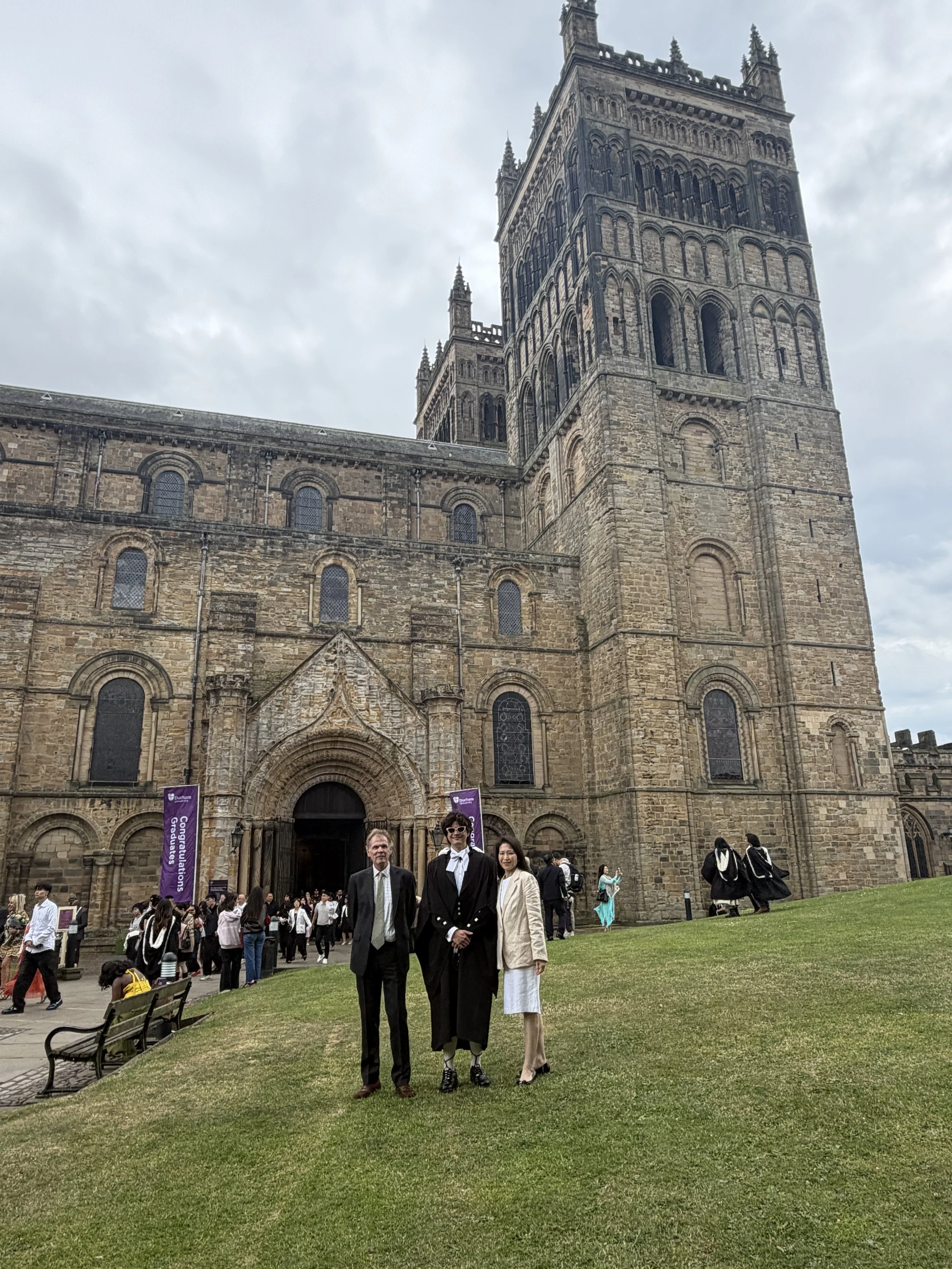
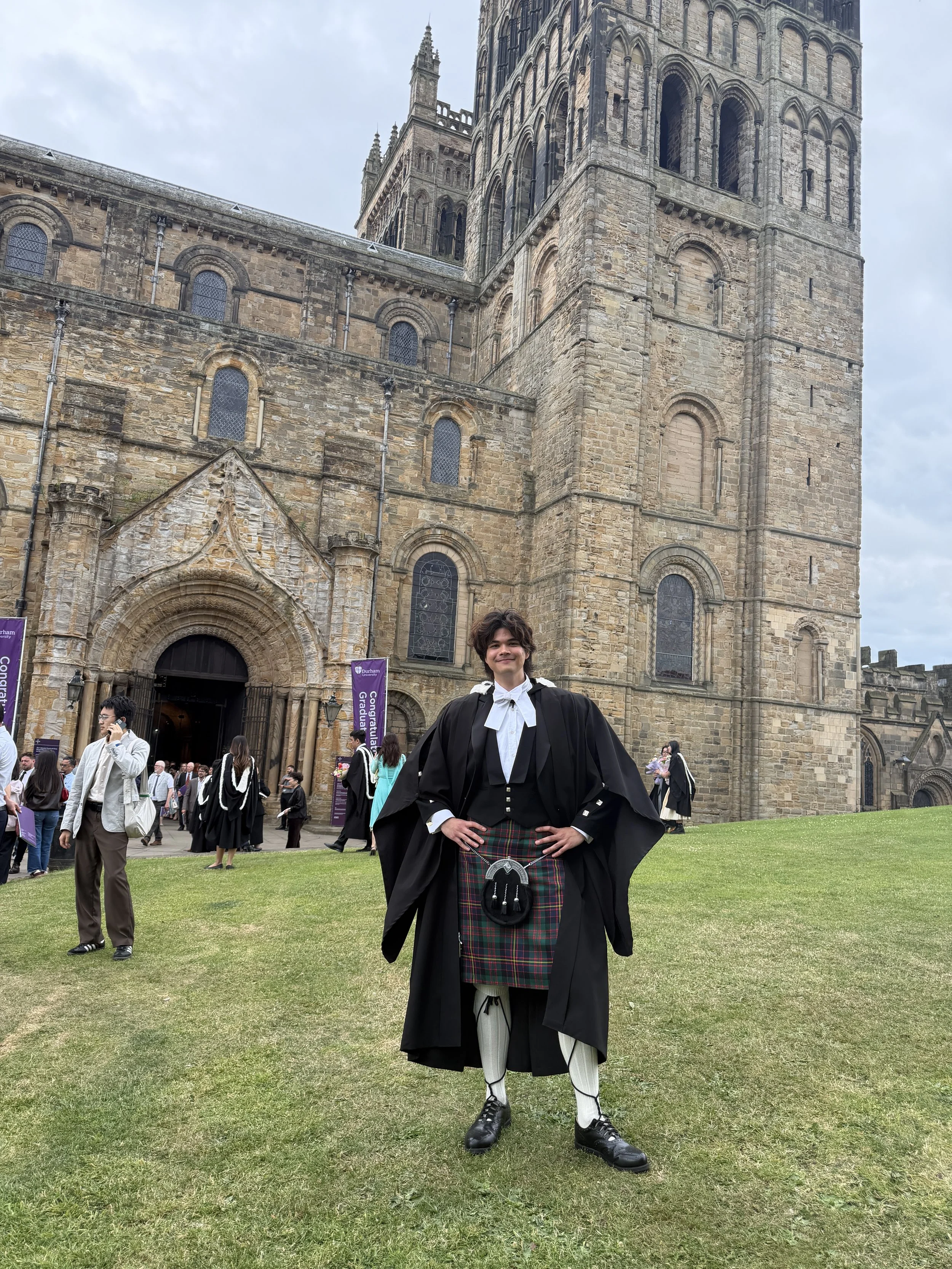
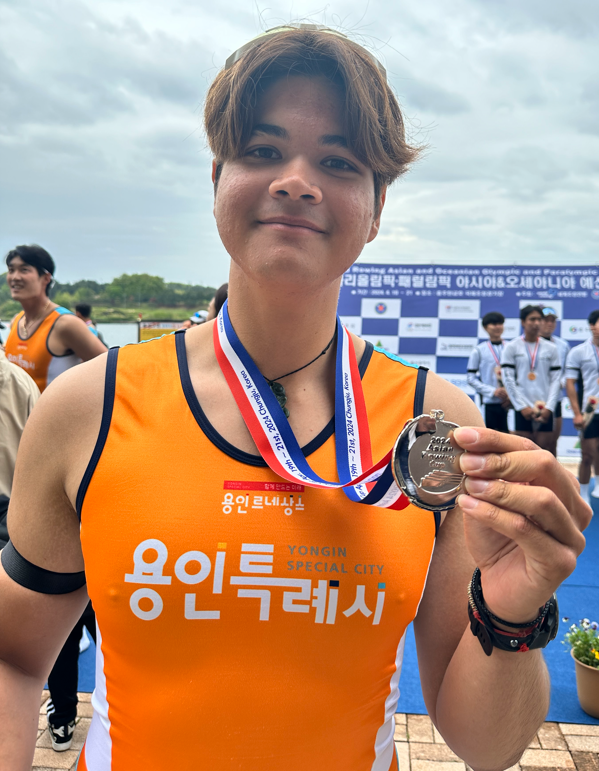
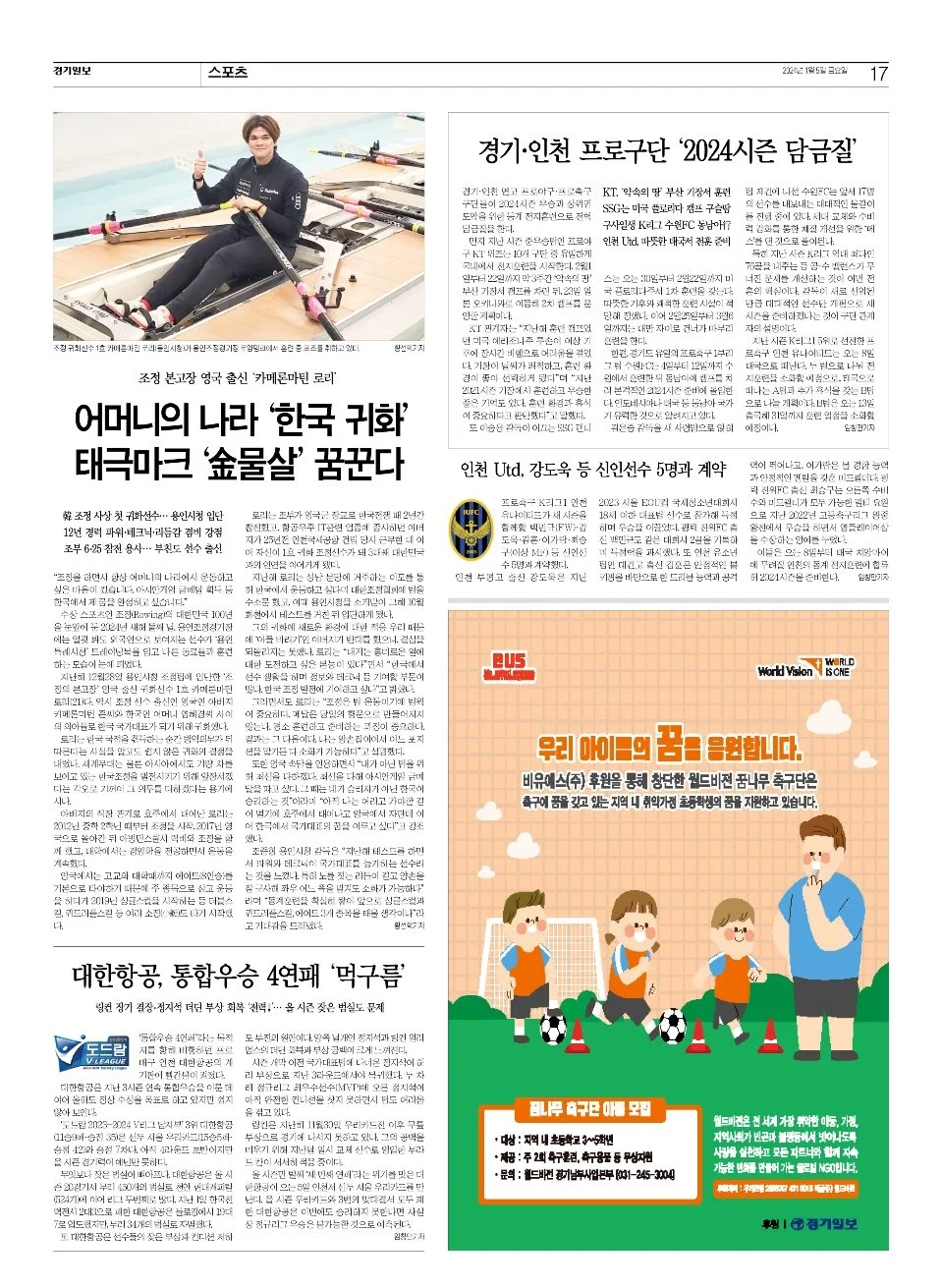
The business also reflects the backgrounds of the family behind it. Before founding Cameron-Martin & Sons, I studied Durham University Business School, where I received academic recognition, before completing postgraduate study at Cambridge University. Alongside academia, I pursued professional sport in Korea, becoming a professional rowing athlete and winning silver at the 2024 Asian Cup. Those experiences: business, scholarship, elite sport and life between Orient and the West have strongly shaped the way we approach ambition, discipline and international opportunity.
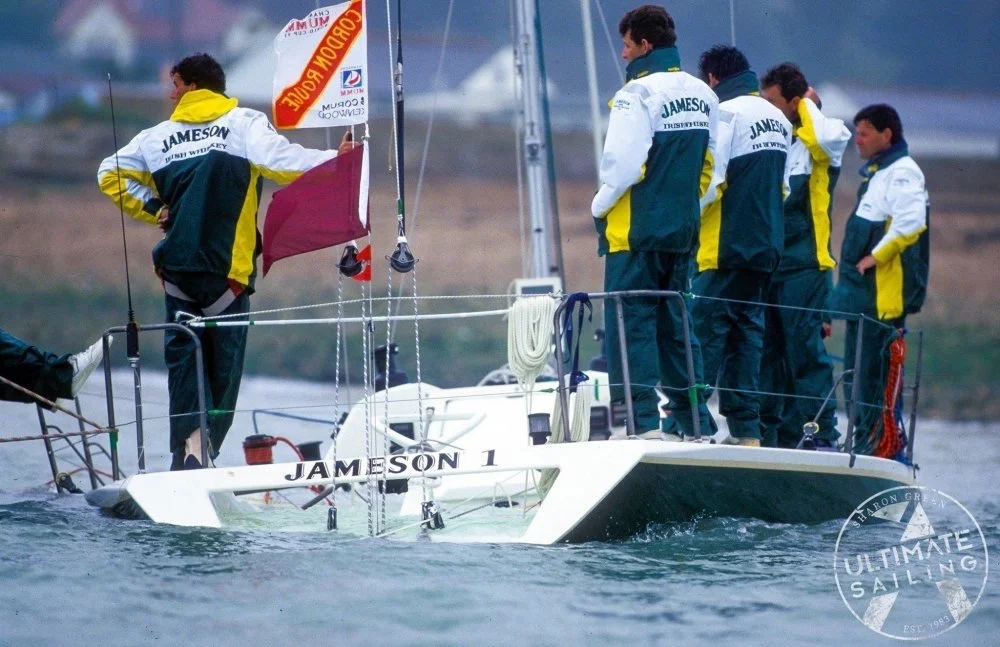
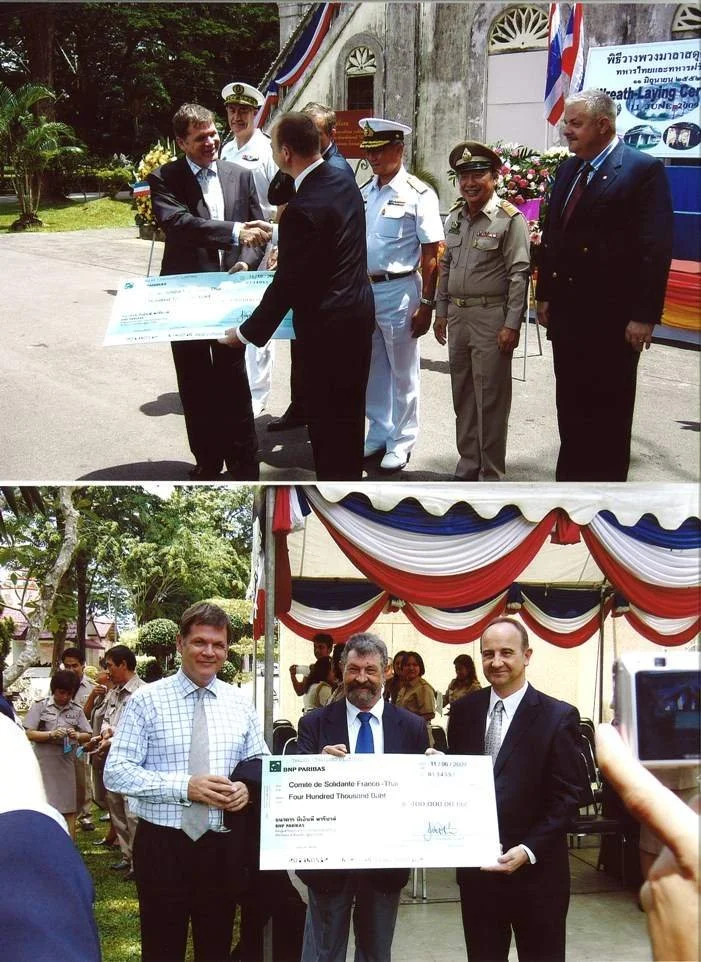
My father provides the principal guiding hand behind my own development as a businessman. An Oxford graduate (unfortunately), an ex-officer and athlete, his business career spans more than three decades of international executive leadership across aerospace, defence, nuclear, cyber and advanced technology. He has served in senior commercial and chief executive roles, including as Director of Sales and Marketing at Thales, and describes a career in which he has secured more than US$3 billion of business across more than 18 countries, led multicultural organisations of over 100 people across Asia-Pacific and Europe, and worked directly with governments, ministries, investors and major industrial partners. His experience has included involvement with landmark programmes such as Australia’s pioneering continental ADS-B air-traffic surveillance programme and the A$1.8 billion OneSKY civil-military air-traffic management transformation.
His role within Cameron-Martin & Sons is therefore far more than that of an adviser. The company gives me the unusual opportunity to build under the mentorship of someone who has already spent a career doing many of the things we now aspire to do ourselves: entering foreign markets, negotiating major contracts, building international relationships, scaling organisations and learning when to take a commercial risk, and when to walk away. His experience provides the institutional memory that a young company would ordinarily take decades to acquire. The intention is not for me simply to inherit his judgement, but to learn from it while building something new for the next generation. That principle remains central to what we are building.
We believe modern businesses need not be old-fashioned, but they should know who they are. For us, that means family ownership, personal responsibility, loyalty, discretion, independence and long-term thinking. It means building relationships that matter, standing behind the work that carries our name, and creating assets that can outlast any one of us.
Today, Cameron-Martin & Sons is focused primarily on international trade and sourcing through Cameron Global, connecting Korean suppliers with international markets across NAD+, K-Beauty, cosmetics and advanced manufacturing. Alongside this core activity, we are developing interests in art, fashion and technology.
If you are building something yourself, looking to collaborate, or simply believe business can be done with greater character and purpose, we would be pleased to hear from you.
Yours faithfully,
Rory, Co-Founder and Executive Director
director@cameron.global